
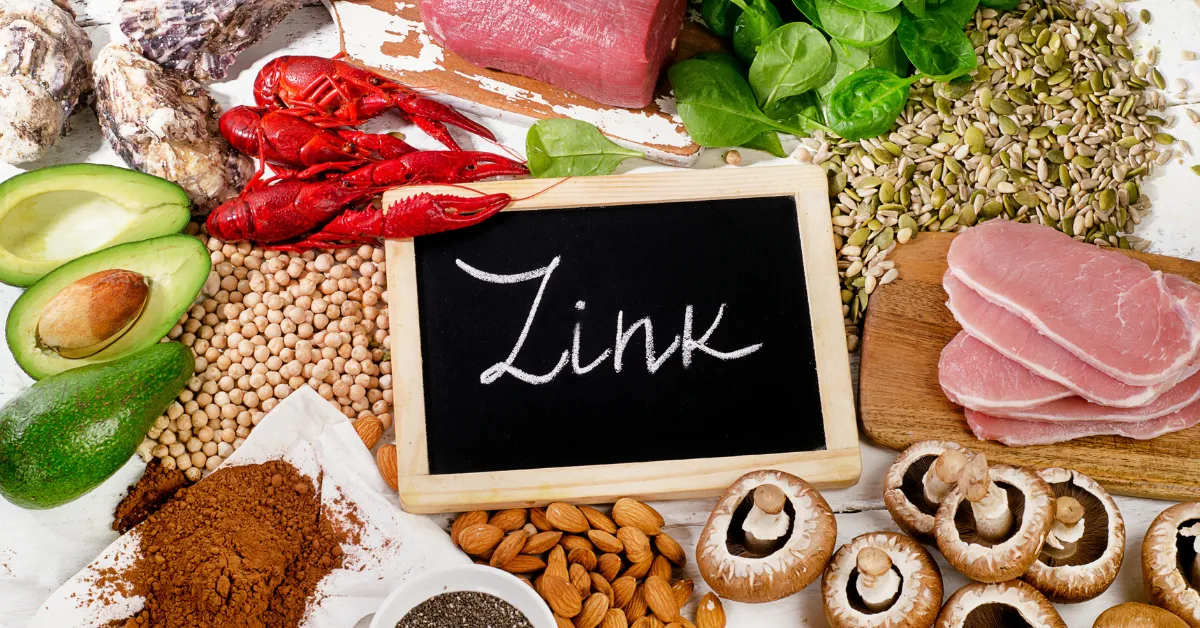
Zinc plays a critical role in both the immune system and appetite regulation, making it particularly important for growing children. It supports immune cell function, helps fight infections, influences taste and smell sensitivity, and affects hormones that signal hunger and fullness.
Zinc is a small but mighty mineral that plays a big role in helping your child stay healthy—especially when it comes to fighting off infections. It supports the growth and activity of immune cells like T-lymphocytes, B-lymphocytes, neutrophils, and natural killer (NK) cells, which all work together to defend the body from viruses and bacteria.
A steady supply of zinc helps keep your child’s immune system ready to respond when needed—without going overboard and triggering too much inflammation. Its antioxidant properties also help protect these immune cells from stress and damage during illness.
Quick Tip: Keep immune defenses strong by offering natural zinc sources regularly—not just during cold season.
When zinc levels are too low, it can weaken the immune system and make your child more vulnerable to getting sick. In fact, the World Health Organization estimates that zinc deficiency plays a role in 16% of lower respiratory infections globally—especially in areas where zinc-rich foods are less available.
To help strengthen your child’s defenses, aim to include more zinc-rich foods in their diet like:
Try offering a warm and comforting bowl of classic beef chili, some flavorful spinach and lamb patties, or an easy lentil rice dish to make zinc a regular part of mealtime.
In this blog:
When your child comes down with a cold, you might wonder if there’s anything that can speed up recovery. Zinc has been researched for its potential to shorten the duration of cold symptoms, especially when taken soon after symptoms begin.
According to a review of several studies, adult participants who took more than 75 mg of elemental zinc daily—particularly in forms like zinc acetate or zinc gluconate—saw a reduction in how long their colds lasted if they started treatment within 24 hours of the first signs.
Before considering zinc supplements for children, here’s what to keep in mind:
Parent Tip: Talk to your pediatrician before giving your child any supplement, including zinc.
You can find helpful guidance in this post on toddler supplements to support safe and smart choices for your family.
If your child seems suddenly disinterested in food or less enthusiastic about mealtime favorites, a lack of zinc might be worth considering. That’s because this nutrient plays a key role in your child’s sense of taste and smell—two senses closely tied to appetite.
Without enough zinc, food may seem bland or unfamiliar, which can lead to a decreased interest in eating. This change can be frustrating when you're already dealing with a picky phase or mealtime challenges.
Parent Tip: Zinc-rich foods may help reignite interest in familiar meals or snacks.
You can read more about this common concern in what to do if your child doesn’t want to eat.
Zinc may also influence the way your child experiences hunger by affecting key hormones. For example, it helps regulate:
Low zinc levels could throw off this hormonal balance, making it harder for children to feel hungry or notice when they’re full. Maintaining proper zinc intake helps support these natural rhythms around eating.
In cases where children are dealing with appetite loss due to malnutrition or health concerns, zinc supplementation may help improve mealtime habits.
Studies have found that in zinc-deficient individuals or those with certain conditions like anorexia nervosa, added zinc supported gentle appetite improvements and healthier weight gain.
Parent Tip: Choose food over supplements whenever possible to gently support your child’s appetite.
Before considering a supplement, talk with your child’s pediatrician and review this helpful article on toddler supplements.
Nutritious meals like spinach and lamb patties or classic beef chili are great ways to include more zinc in your child’s plate.
Zinc is one of those nutrients that quietly supports so many body functions you might not even realize how much your child relies on it every day. Even though the body doesn’t store a lot of zinc, it’s involved in hundreds of important reactions.
As the second most common trace mineral in the body after iron, zinc helps over 300 enzymes do their jobs—from healing cuts to digesting food.
Zinc also works behind the scenes in many key processes like:
These actions are crucial for helping children grow strong, heal from everyday bumps, and develop cognitively.
Quick Tip: Consistent zinc intake = stronger immunity, better wound healing, and reduced tummy troubles.
Because children grow so quickly, they need a steady and reliable supply of this nutrient. Falling short can affect everything from their ability to fight colds to how well their bodies grow and digest food.
Zinc needs vary based on age and life stage. For example:
While most people can get enough zinc from food, having a clear understanding of toddler supplements helps you make informed choices if you ever feel concerned about your child's intake.
Animal-based foods tend to be the easiest sources for the body to absorb, but plant-based foods can also contribute meaningfully. Here are some good options:
If your family eats mostly plant-based meals, zinc is still within reach. Just keep in mind that compounds like phytates in plants can limit how much zinc the body absorbs.
Luckily, simple preparation methods can help make zinc easier to absorb:
Quick Tip: Pair zinc-rich foods with protein to boost absorption.
Combining these foods with protein-rich ingredients can also help—like pairing lentils with rice in this satisfying lentil rice recipe.
Zinc supplements come in different forms such as zinc gluconate, zinc citrate, and zinc picolinate. These are commonly used and generally well-absorbed.
Supplements may be helpful for children or adults with a known deficiency or for those more likely to get too little zinc—such as individuals on a plant-based diet or with certain digestive disorders.
Still, it's always best to focus on food first. Meals like lentil rice are great ways to provide zinc through real, nourishing ingredients.
Zinc is important, but too much can cause problems. For adults, the safe upper limit is 40 mg per day. Large doses—especially anything over 150 mg daily from supplements—can interfere with the body’s absorption of other nutrients like copper and iron.
Possible long-term consequences of excessive zinc include:
Parent Tip: If your child’s appetite has suddenly changed, talk with your pediatrician before trying supplements.
They can confirm whether your child truly needs one, and if so, how much is safe. A reduced appetite might have many causes, and if you're wondering, “My child does not want to eat—what should I do?”, professional advice can make all the difference.
In the meantime, offering zinc-rich, wholesome meals like spinach lamb patties is a kind and nourishing way to help your little one thrive—one bite at a time.
Written by: Dr. Diana Jimenez, Pediatrician specializing in child nutrition, lactation, and child development.
Sources:
Office of Dietary Supplements – Zinc Fact Sheet for Health Professionals
World Health Organization – World Health Report 2002
American Journal of Clinical Nutrition – Zinc status and appetite regulation
Cochrane Library – Zinc for the common cold
PubMed – Effect of zinc supplementation on body weight in anorexia nervosa
Karger – Zinc status and taste function
11 months ago