
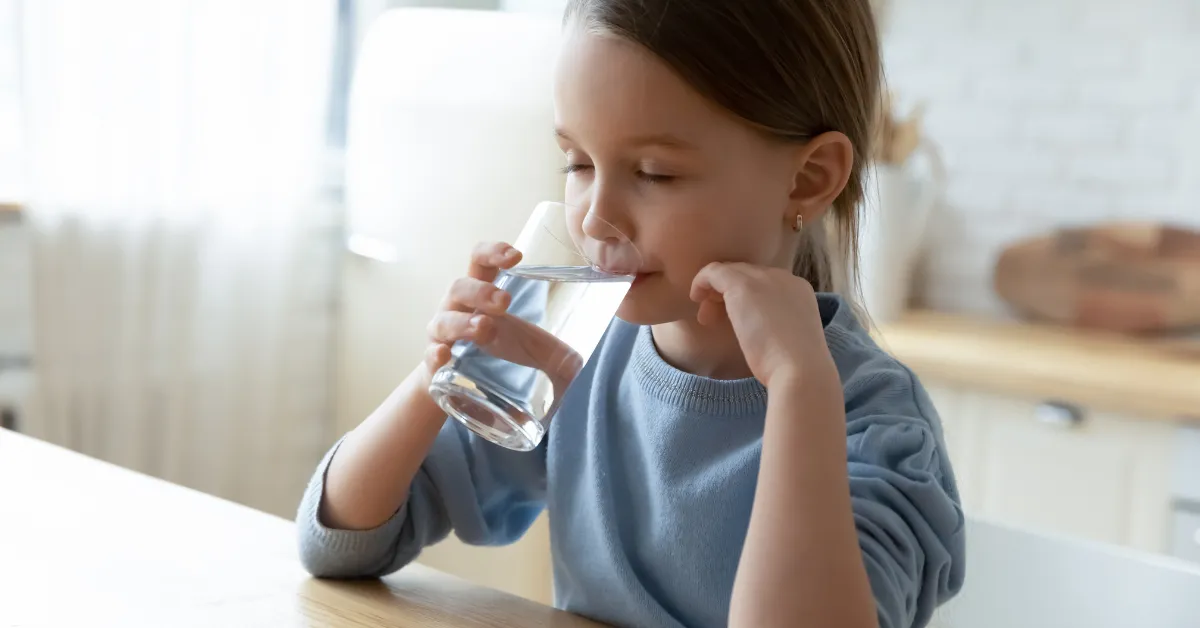
Children are more susceptible to dehydration than adults due to factors like higher body water content, faster metabolism, and immature kidneys, which make them lose fluids more quickly. Recognizing both early and severe symptoms—including subtle signs like fatigue or reduced urine output—can be critical in preventing complications and ensuring timely treatment.
When it comes to dehydration, young children and toddlers are more at risk than adults. Knowing what signs to watch for and how to respond can help prevent serious health issues and keep your little one feeling their best.
In this blog:
Children are more vulnerable to dehydration for several reasons, and understanding how their bodies work can help you spot problems early.
Compared to adults, kids—especially babies—have a greater percentage of body water. Infants can be about 70–75% water, while adults are closer to 60%. That means when kids lose fluids, it affects them more quickly and more seriously.
There are a few important reasons why kids are more likely to get dehydrated:
Quick Tip: Offer fluids regularly—even before your child asks for them.
Babies and toddlers often can’t tell you when they’re thirsty, or they may not recognize thirst at all. That’s why proactive hydration is so important—especially when it’s hot or your child isn’t feeling well.
Fun, refreshing drinks like a strawberry banana smoothie can also help keep hydration up, especially when you're dealing with picky eating.
Even mild dehydration can cause problems if not corrected early. Kids under five are especially vulnerable. Staying ahead of the curve with regular fluids and awareness of the signs can make a big difference.
Dehydration doesn’t always show up in obvious ways. It can sneak up gradually, and by the time your child says “I’m thirsty,” they may already be dehydrated.
Since thirst isn’t always reliable, focus on subtle signs like energy levels and moisture in the mouth. A dry or sticky mouth with thicker saliva or low energy in an otherwise active child could be early red flags.
Your child’s urine is one of the best clues. In a well-hydrated child, urine should be pale yellow. Darker yellow or amber-colored urine can be a sign of dehydration.
Watch their bathroom habits too:
Also check for tears.
Parent Tip: If your baby cries but produces no tears, this could be a strong indicator of dehydration.
More serious dehydration brings more obvious symptoms. You may notice your child is more irritable—or on the other hand—more lethargic than usual.
Additional signs to watch for include:
In babies, a sunken soft spot on the top of the head (fontanelle) is another cause for concern.
In more severe cases, the body enters “survival mode.” This might look like:
These are signs the body is prioritizing vital organs due to reduced fluid volume.
Just how serious can it get?
If your child has any of these symptoms, act fast:
Call your pediatrician, head to urgent care, or visit the ER as needed. Getting timely help can make all the difference.
Gently pinch the skin on the back of your child’s hand or belly between two fingers and release it.
Healthy hydration: Skin snaps back quickly.
Potential dehydration: Skin stays tented or slow to rebound.
This test is less reliable for infants or children with certain skin or nutrition conditions but can still be helpful when combined with other signs.
Gently press on your child’s fingernail or chest (above the breastbone) until the skin turns pale, then let go:
Delayed refill suggests circulation—and hydration—might not be ideal. Combine this with other signs to assess overall condition.
Quick Tip: Offering hydration-rich foods and drinks (like smoothies or fruit) can help between water breaks.
If your child shows signs of mild dehydration, offer small sips frequently. Drinking too quickly can upset the stomach, especially after vomiting.
Oral Rehydration Solutions (ORS) like Pedialyte are ideal—they contain electrolytes and sugars in the right proportions to help absorb fluids.
For infants, breast milk or formula remains the best option—unless your pediatrician advises otherwise. Older children may benefit from water or diluted juice, and ORS is best for diarrhea or vomiting.
Quick Tip: Avoid sugary sports drinks. They lack balanced electrolytes and can worsen diarrhea.
Fluids that are safe and effective for rehydration include:
Once your child can tolerate fluids and feels better, start offering gentle, familiar meals. Comfort foods like macaroni and cheese can help ease back into eating.
Most cases of mild dehydration can be safely managed at home, but don’t hesitate to get help if things aren’t improving or symptoms worsen.
Feeding difficulties can complicate hydration efforts—especially for children with picky eating—so never feel shy about asking for help from your pediatrician.
Contact your doctor right away if you notice:
Severe dehydration could lead to:
These situations may require IV fluids and urgent care. Acting early can keep your child safe and support a smoother recovery.
Written by: Dr. Diana Jimenez, Pediatrician specializing in child nutrition, lactation, and child development.
Sources:
HealthyChildren.org - Signs of Dehydration in Infants and Children
Mayo Clinic - Dehydration: Symptoms & Causes
Cleveland Clinic - Dehydration in Children
Johns Hopkins Medicine - Dehydration and Your Child
11 months ago