
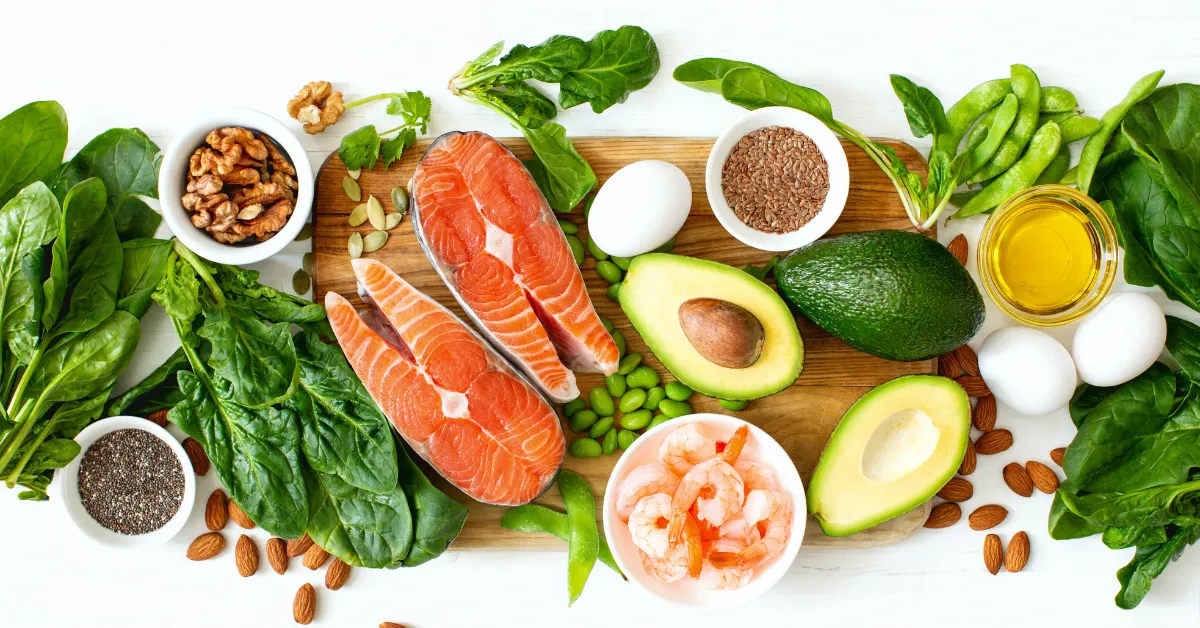
Omega-3 fatty acids, especially DHA and EPA, are essential for children's brain, eye, and overall development but must come from their diet since the body can’t produce them efficiently. While fatty fish like salmon and sardines are top sources, plant-based options and fortified foods can also help meet omega-3 needs for kids with dietary restrictions or picky eating habits.
Omega-3s are a group of essential fatty acids, and your child’s body can’t make them on its own—they have to come from food. One standout omega-3, called DHA (docosahexaenoic acid), plays a critical role in building the brain and retina, especially during infancy and early childhood.
During a baby’s first year, the brain grows incredibly fast, and DHA becomes one of the most important fats found in brain and eye tissues. Making sure babies and young children get enough DHA during this window is key to helping their minds grow strong and healthy. You can learn more about this in this detailed article.
In this blog:
While DHA gets a lot of attention—and for good reason—it often works together with EPA (eicosapentaenoic acid), another omega-3 that supports brain, eye, and immune health. Together, these fats may also help with focus, emotional regulation, and sleep patterns in some children. Early studies suggest a connection, though more research is ongoing.
The third omega-3 is ALA (alpha-linolenic acid), which comes from plant foods like chia seeds, flaxseeds, and walnuts. ALA is important for overall heart health, but the body can only turn a small portion of it—typically less than 15%—into the active forms DHA and EPA.
Quick Tip: Aim to include direct sources of DHA and EPA like salmon, sardines, and mackerel in your child’s weekly meals.
Adding omega-3s to your child's meals can lead to some clear, real-life benefits:
Quick Tip: Aim to include a variety of nutrient-rich, whole foods in your child’s meals during the first years of life.
To help parents get a sense of how much omega-3 their child needs, nutrition experts provide recommended daily levels known as Adequate Intakes (AI). These are based mainly on ALA, the plant-based form of omega-3.
Daily AI levels for ALA:
As helpful as ALA is, the real building blocks for growing brains and eyes are DHA and EPA. These omega-3s come mainly from fatty fish and are more difficult for the body to create from ALA.
While there’s no official U.S. guideline yet for EPA and DHA levels in kids, many health professionals recommend 100–250 mg of combined EPA and DHA daily for early development.
Parent Tip: Offer age-appropriate fish recipes like Salmon Nuggets to encourage intake of DHA and EPA.
Cold-water, fatty fish are packed with DHA and EPA, crucial for brain development and visual health. Mercury concerns are common, but many fish are safe when chosen carefully based on FDA guidelines.
The FDA and EPA group fish into three categories based on mercury content. Kids should stick to the “Best Choices” list and aim for 2 servings per week.
Quick Tip: For toddlers, one serving equals about 1 ounce; for preschoolers, 2 ounces.
“Best Choices” fish list from the FDA:
Parent Tip: Try these fun sardine avocado mix or Salmon Nuggets for easy mealtime wins.
If your family is vegetarian or just not big on fish, you can still support brain and heart health using plant-based sources of ALA.
Quick Tip: Algae oil supplements provide preformed DHA and are a fish-free alternative for families.
Stir flaxseed into oatmeal, add chia seeds to smoothies, or try Mango Chia Pops for a fun twist on puddings. Sprinkle walnuts into baked goods for a simple omega-3 boost.
Parent Tip: Fortified foods offer a helpful buffer if your toddler is going through a fish-free phase.
Many eggs and dairy alternatives are now enriched with omega-3s like DHA. For example, one enriched egg might have up to 200 mg of DHA, while fortified yogurt or plant milk can range from 30–50 mg per serving.
Check to see if the product contains preformed DHA (from fish or algae oil) rather than just ALA. That’s especially important for supporting early brain development.
Think of these options as a fill-in-the-gap tool. When combined with real foods like fish, seeds, and nuts, they round out omega-3 intake beautifully.
Written by: Dr. Diana Jimenez, Pediatrician specializing in child nutrition, lactation, and child development.
Sources:
Office of Dietary Supplements - Omega-3 Fatty Acids Fact Sheet for Health Professionals
Cleveland Clinic - Omega-3 for Your Child: What You Need to Know
U.S. Food and Drug Administration - Advice About Eating Fish
HealthyChildren.org - Fish, Shellfish and Children’s Health
EatRight.org - What Are Omega-3 Fatty Acids
11 months ago