
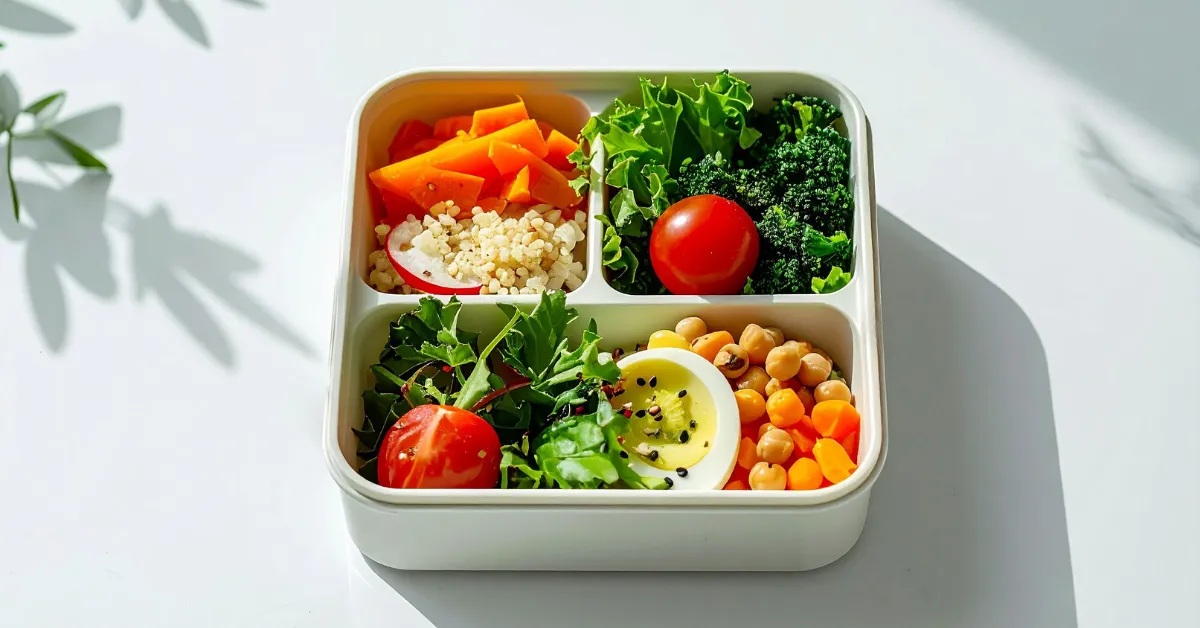
Understanding what makes a balanced meal for kids goes beyond just portion control—it means combining the right mix of macronutrients and micronutrients to fuel growth, learning, and play. Using visual models like MyPlate and nutrient groupings like “Go, Grow, and Glow” foods can make it easier to build meals that meet children’s developmental needs.
A balanced meal for a child goes beyond just quieting hunger. It’s about giving their growing bodies the right mix of nutrients to support physical development, maintain energy, and help them focus and thrive at school and play.
This means offering a good variety of both macronutrients (like carbs, protein, and fats) and micronutrients (vitamins and minerals) at each meal.
In this blog:
One of the simplest ways to visualize a healthy plate is through the USDA’s MyPlate model. It breaks a meal into easy portions, helping take the guesswork out of feeding kids well.
Fill half the plate with fruits and vegetables, then divide the remaining half between protein and grains—ideally whole grains. To round it all out, include a serving of dairy like milk, cheese, or yogurt.
Quick Tip: This method also works great for building a balanced lunchbox using familiar ingredients.
Talking to kids about nutrition doesn’t have to be complicated. Framing it in terms they understand—like “go,” “grow,” and “glow”—can make learning about food fun and relatable:
Micronutrients matter too—even in small amounts. These powerful helpers keep all kinds of body systems running smoothly, from immunity to bone strength:
Let’s take an all-too-common kid favorite: plain pasta. It fills hungry bellies but misses some key pieces—like protein, fiber, and essential nutrients.
Quick Tip: Balance doesn’t mean cutting out favorites—just build around them with a few simple tweaks.
Done right, that bowl of pasta becomes a nutrient-packed meal supporting growing bodies and curious minds.
Parent Tip: Check out these ideas for picky eaters if variety is a challenge.
Each food group brings something different to the table—and together, they help your child grow strong, think clearly, and stay active.
Encouraging kids to “eat the rainbow” adds fun to variety and helps introduce a range of nutrients.
Parent Tip: Colorful foods spark interest and make meals more exciting.
While every child has slightly different needs, the USDA’s MyPlate gives helpful daily targets for kids ages 4–8:
Quick Tip: Variety within each group helps cover more nutrients without more effort.
Kids are more likely to eat what they recognize and enjoy. Here are some simple, parent-approved foods from each group:
Your child’s energy comes from three main groups: carbohydrates, protein, and fats.
Each has a special role in helping them grow, move, and learn. The goal? Finding the right balance.
For kids ages 4–18, current guidelines suggest:
Quick Tip: These numbers are flexible but provide a solid starting point for portion guidance.
Carbs fuel the brain and body. Complex carbohydrates like those in whole grains and produce offer slower-burn energy and better focus throughout the day.
Protein repairs tissue, builds muscle, and supports immunity. Offering it at every meal helps kids stay fueled and steady.
Fats—especially omega-3 fatty acids—are key to growing brains. They boost focus, learning, and emotional health.
Parent Tip: Stir ground flax into oatmeal or blend avocado into smoothies to sneak in healthy fats.
Even if kids don’t need “perfect” meals daily, consistently missing nutrients can add up. Long-term imbalances raise risks like:
Kids without enough variety may have:
Too much sugar leads to more than just cavities. A single soda exceeds a whole day’s worth of recommended sugar intake for a child.
Quick Tip: Swap soda for milk or water to even energy and protect teeth.
Your child might eat enough quantity—but if variety is low, nutrients could still be missing.
Parent Tip: These tips for picky eaters can support better balance without pressure.
These ideas make it easier—and more joyful—to help kids embrace balanced eating habits:
With encouragement and consistency, your child can enjoy nutritious meals today—and build healthy habits for years to come.
Written by: Dr. Diana Jimenez, Pediatrician specializing in child nutrition, lactation, and child development.
Sources:
Centers for Disease Control and Prevention (CDC) - Childhood Obesity Data
U.S. Department of Agriculture (USDA) - MyPlate
U.S. Department of Health and Human Services - Dietary Guidelines
HealthyChildren.org - American Academy of Pediatrics
KidsHealth by Nemours - Nutrition Center
American Heart Association - Added Sugars
11 months ago